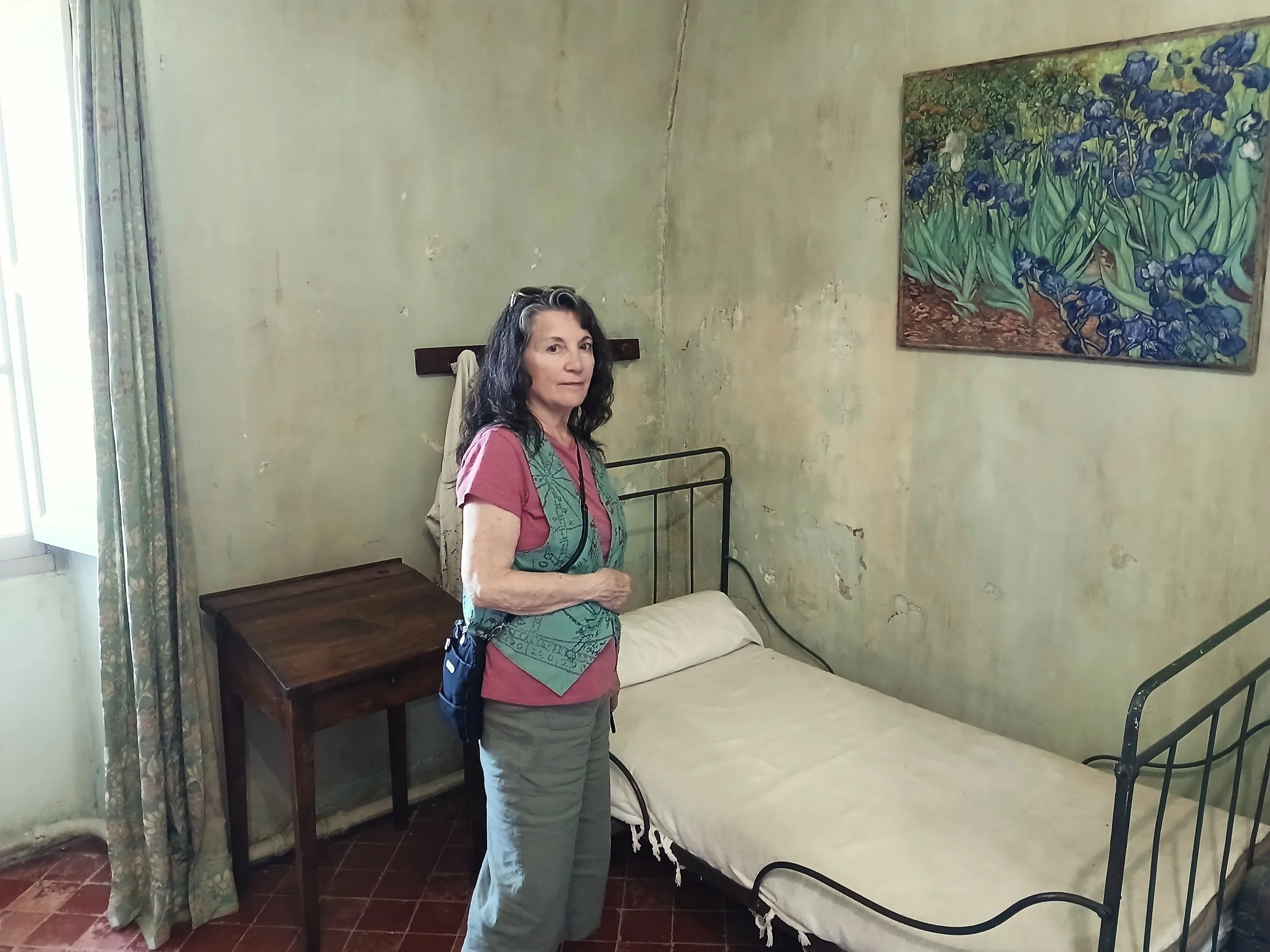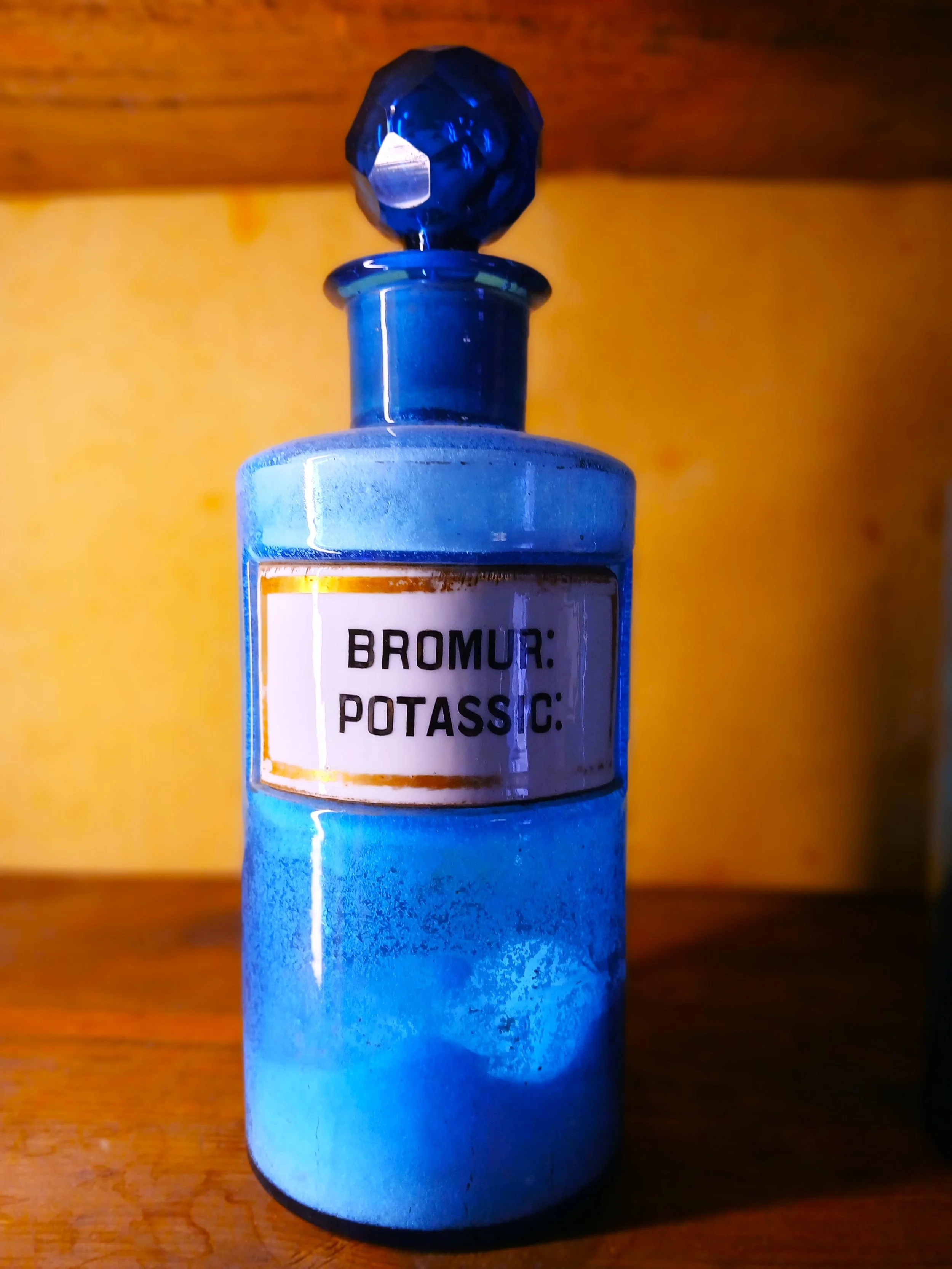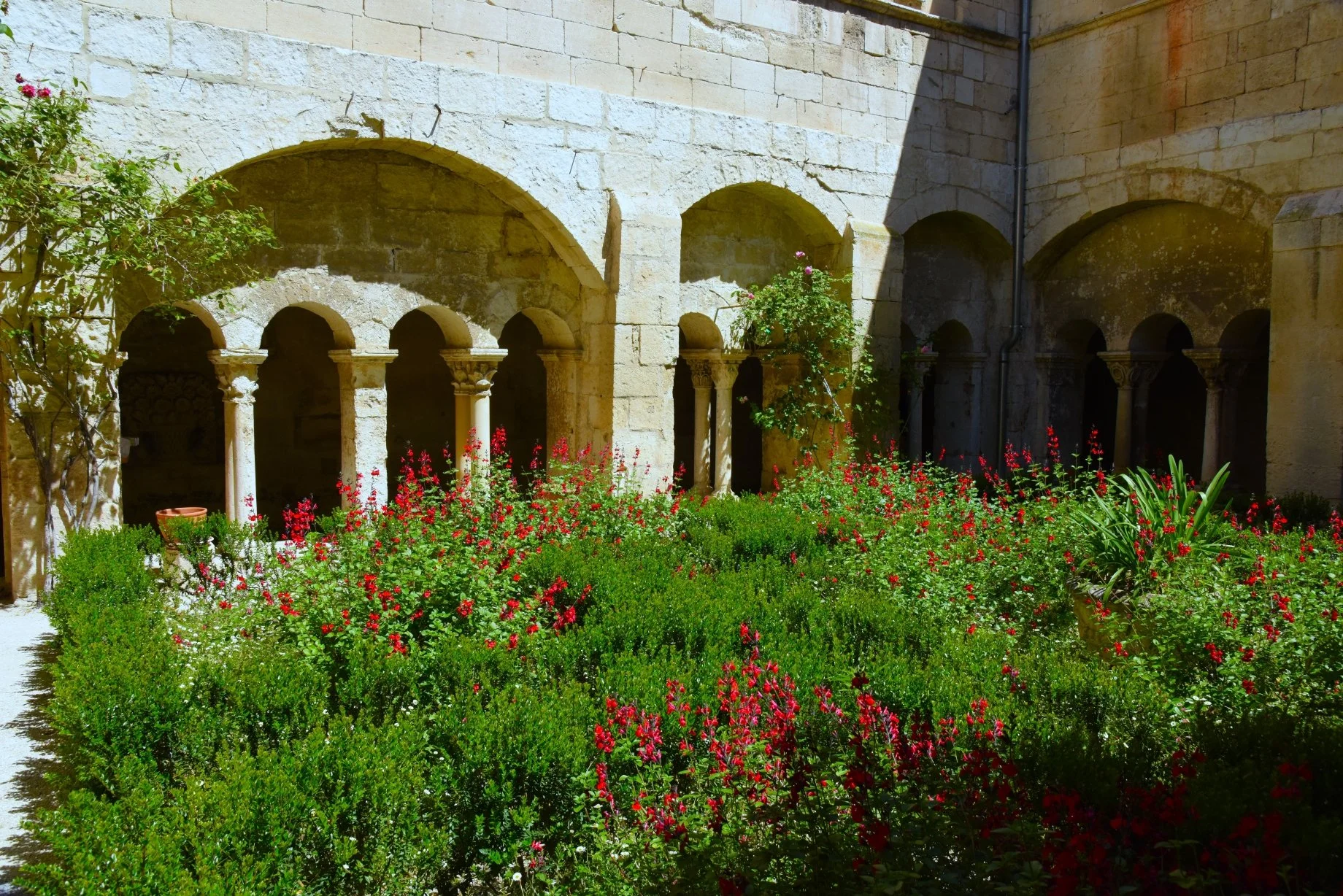
There is no shortage of varied opinion and debate about Vincent van Gogh’s physical and mental health. Or how his health influenced his painting. There is, however, a strong consensus that his paintings fundamentally altered the course of modern western art. He was an artist driven, compelled, even obsessed with creating. In a very short time, perhaps only a decade, he made over 800 oil paintings. Including a flurry of his most creative, colorful, and important pieces in the final two years of his life. His most productive and creative year was spent at an asylum on the edge of Saint Remy France. Doctors and staff understood his need to create and the therapeutic value it provided. Saint-Paul-de-Mausole Asylum became a haven for van Gogh. It still operates as a clinic caring for patients with mental illnesses. Additionally, there is a successful art therapy program with the goal of bridging the gap between patients, caregiver, and society through artistic works. A fitting tribute. Parts of the asylum, including the room where Vincent van Gogh lived and painted, have been preserved as they were over 100 years ago. A visit is moving, disturbing, inspirational, and cause for self-reflection all at once. Spartan living spaces, institutional trappings, and evidence of extreme treatments were my initial impression. But gardens, open air spaces, and great compassion are also evident. For Julia, my wife and a life-long artist, the visit was somewhat overwhelming and humbling. Of course, I was busy taking photographs.
Street Address
City, State, Zip
Phone Number
Unique Views of Everyday Surroundings
Your Custom Text Here